Passer au contenu

Panier

Votre panier est vide

FLORA & FRAGILITY - COLLECTION TWO, 2026

A LETTER FROM KATIE

WHY DO WE NEED FLOWERS

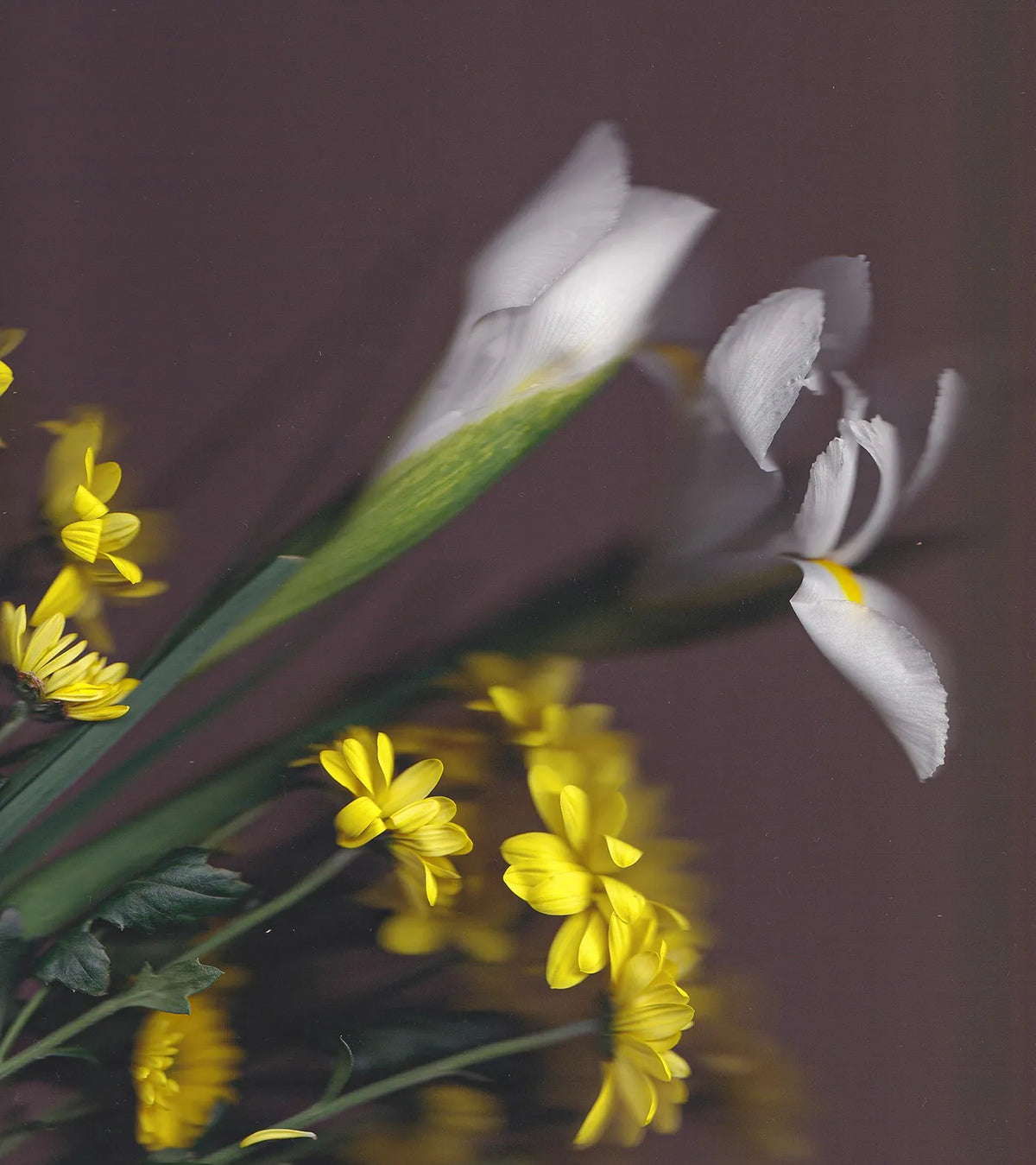
I think we often notice flowers first for their beauty. Their colour, shape, scent. We pick them, photograph them, give them to people we love. But a flower is never just a flower.

The more I learn about the natural world, the more fascinated I become by the relationships we don’t immediately see. Wildflowers feed pollinators, provide shelter and support entire ecosystems. Their survival is connected to insects, birds, animals, the soil beneath them and the landscapes they belong to. When one disappears, it doesn’t disappear alone.

Flowers have found their way into so many Silk Laundry collections over the years. I’m constantly drawn to their strange forms, their colours and the ways they have evolved to survive. The more I learn about the flowers in Flora & Fragility, the more I see beyond their beauty to the worlds they help sustain.

Protecting wildflowers isn’t simply about preserving something beautiful. It’s about protecting the much bigger world they help keep alive. Maybe that’s why I keep coming back to them.

Katie x

Ecological role: Attracts bees and butterflies; important for supporting pollinators.
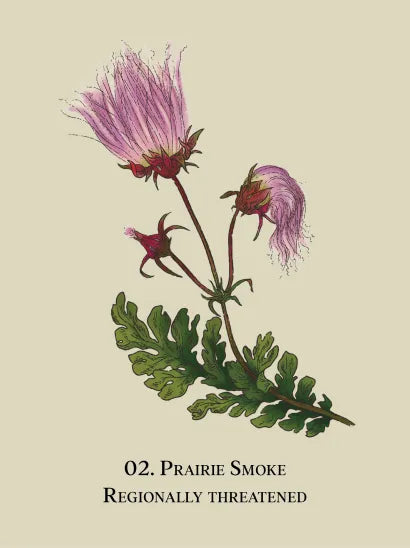
Habitat: Dry prairies, grasslands, and open woodlands across the northern Great Plains and Midwest, thriving in well-drained soils.
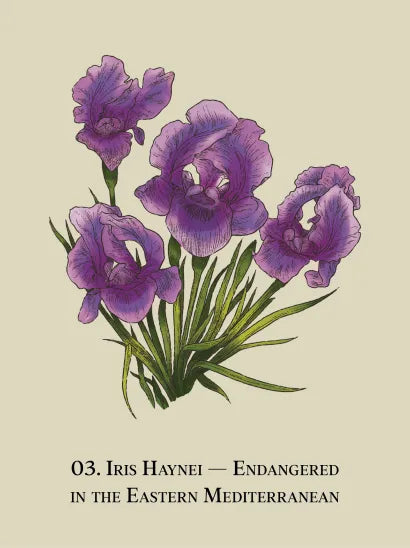
Habitat: Native to the eastern Mediterranean, where it thrives in rocky, well-drained soils within scrub lands and open woodlands.
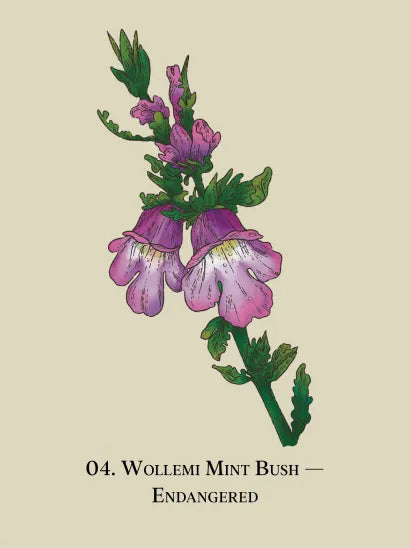
Habitat: Endemic to a small region of New South Wales, Australia, where it grows in rocky soils within eucalypt forest ecosystems.
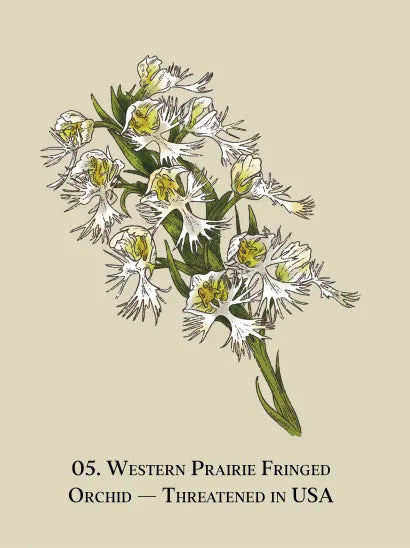
Habitat: Native to moist tallgrass prairie ecosystems across the central United States.
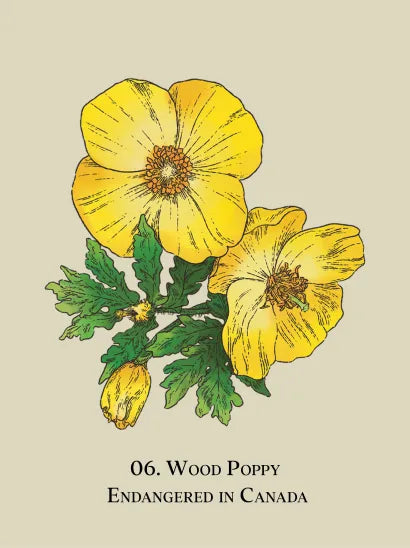
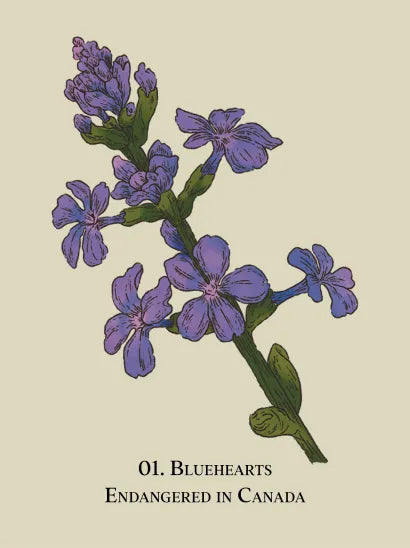
Habitat: Rich deciduous forests and shaded ravines in southwestern Ontario, where Canada marks the northern edge of its natural range.

Habitat: Native to the tallgrass prairies of the central Midwestern United States, particularly Illinois, Missouri, and Kansas.
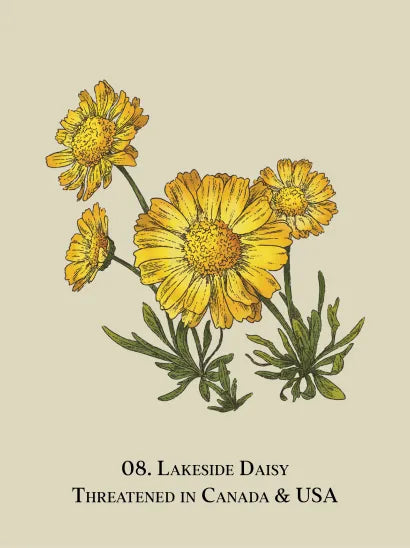
Ecological role: An indicator of rare alvar biodiversity, supporting specialized plant and insect communities.
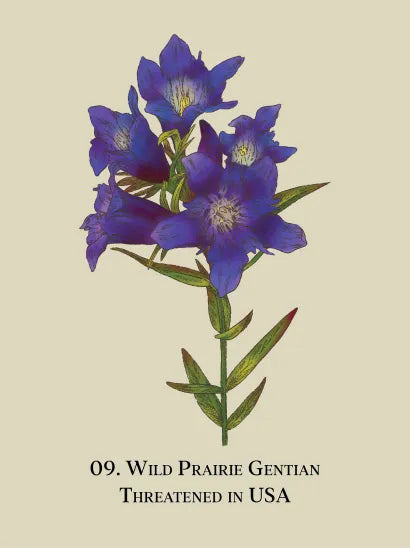
Habitat: Native to moist tallgrass prairie ecosystems across the central United States.
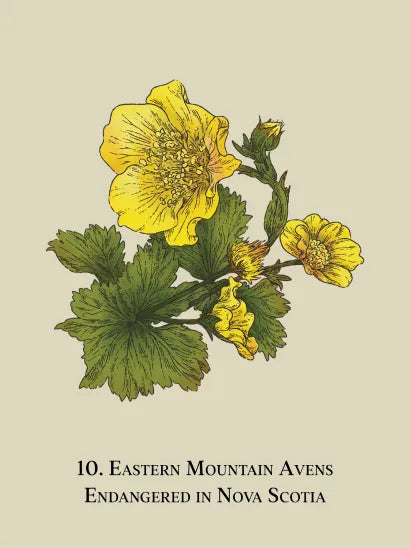
Ecological role: Supports insect biodiversity by providing an important habitat within sensitive wetland ecosystems.
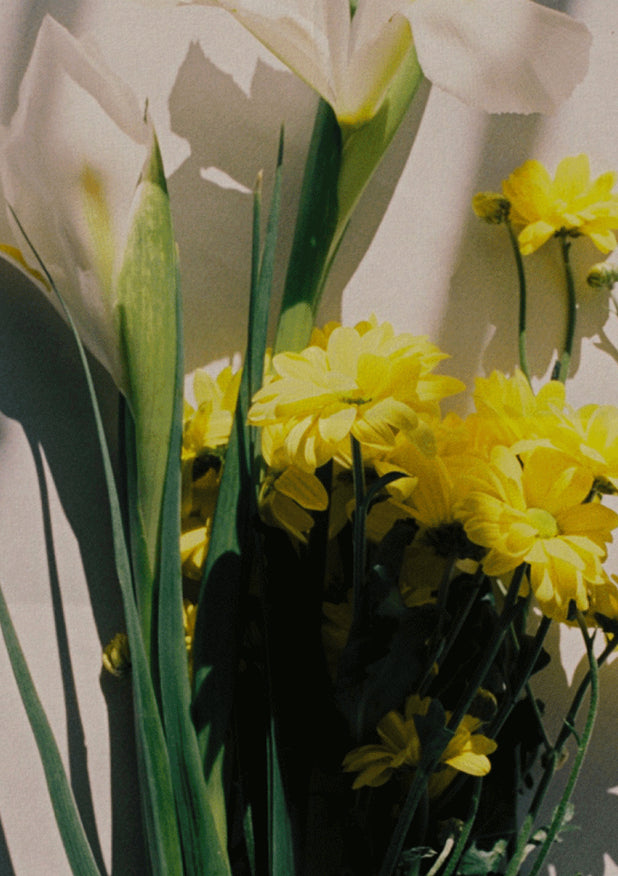
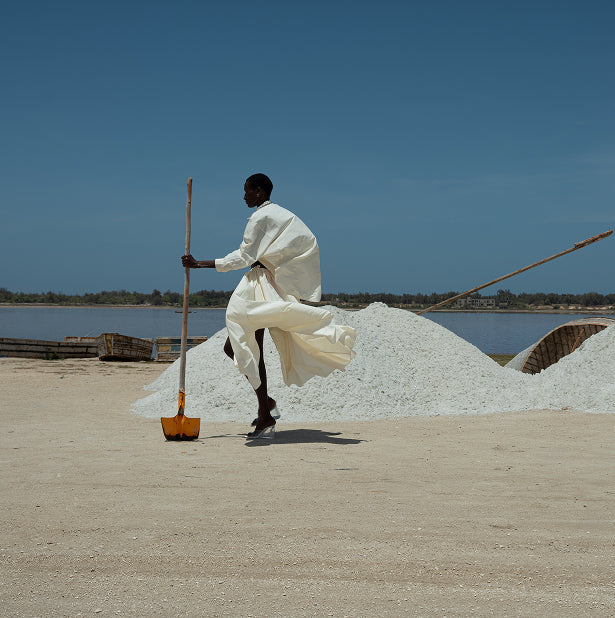
A Flower Is Never Just a Flower

The more I learn about the natural world, the more fascinated I become by the relationships we don’t immediately see.

Wildflowers feed pollinators, provide shelter and support entire ecosystems. Their survival is connected to insects, birds, animals, the soil beneath them and the landscapes they belong to.

When one disappears, it doesn’t disappear alone.

The Habitats Behind the Flowers

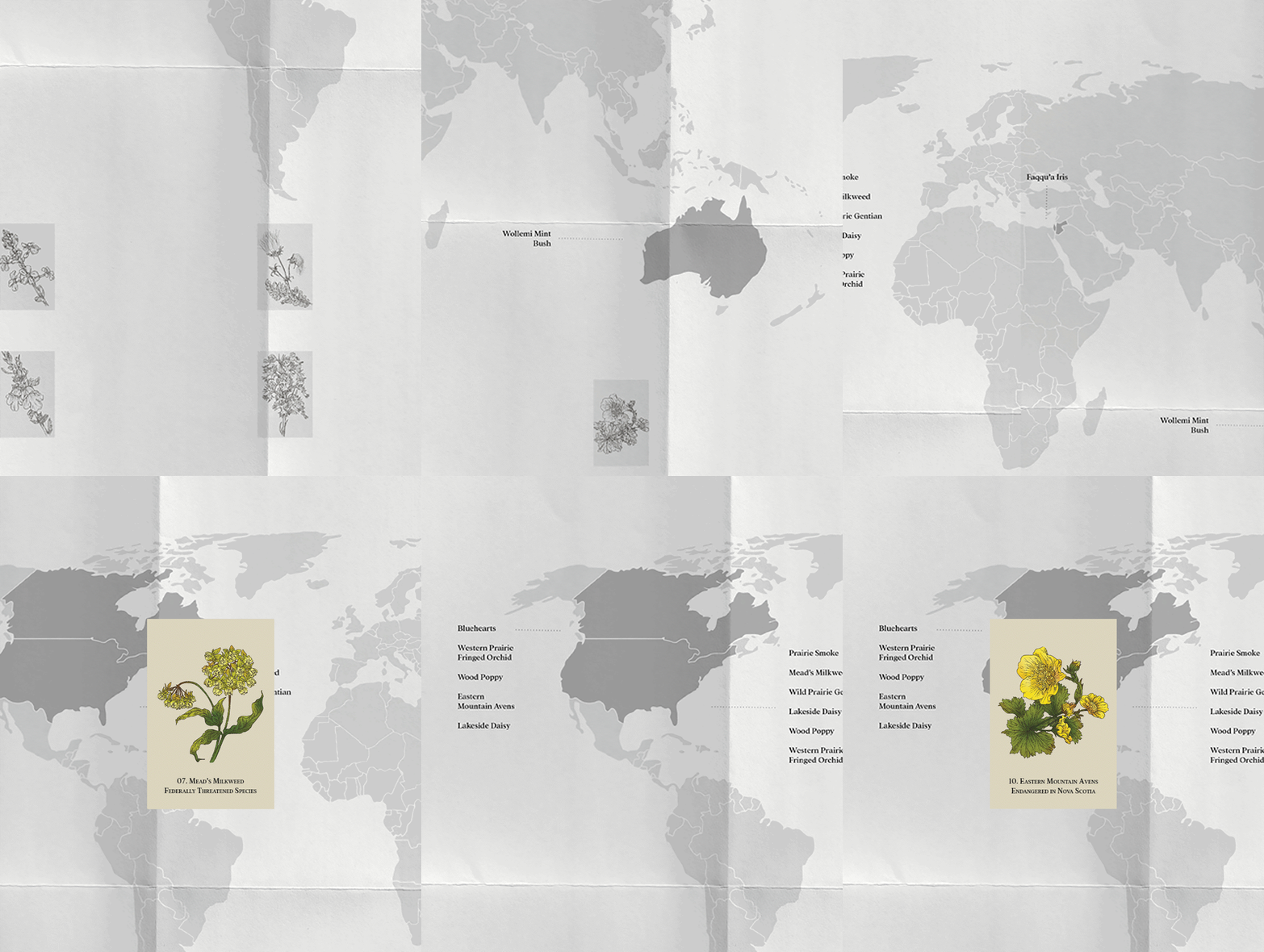
From tallgrass prairies and wetlands to forests and rocky landscapes, the flowers within Flora & Fragility belong to distinct ecosystems. Looking at where they grow reveals a wider story — one of species, habitat and the relationships that connect them.


TRY BEFORE YOU BUY
Try up to 5 items
Home try-on
 
1
2
3
4
1
2
3
4
Welcome back to the store page. Here's what to do next:
Step 1:
Browse items you'd like to order
Step 2:
Use the 'Add to Cart' button to add your new exchange items to the cart.
Step 3:
Checkout as usual with the same email or phone number to complete your exchange order.
left to place order
Please note: Processing your exchange may take up to one minute after placing your order.